

As the chill of winter fades away, the real estate market in Hampton Roads starts to heat up. March marks the beginning of the spring home-buying and selling season, making it one of the best times

Dated: September 24 2024
Views: 528
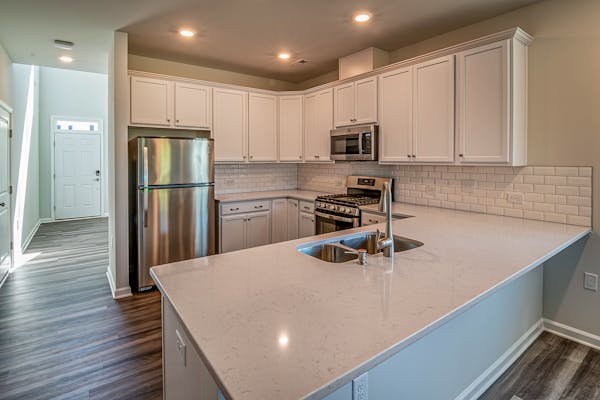
Buying a home is one of the most significant investments you will ever make, and the home inspection process plays a crucial role in that decision. A home inspection provides a detailed assessment of a property's condition, revealing any potential issues that could affect its value or your comfort. At Bell Tower Real Estate Team, we believe understanding the inspection process is essential for every buyer.
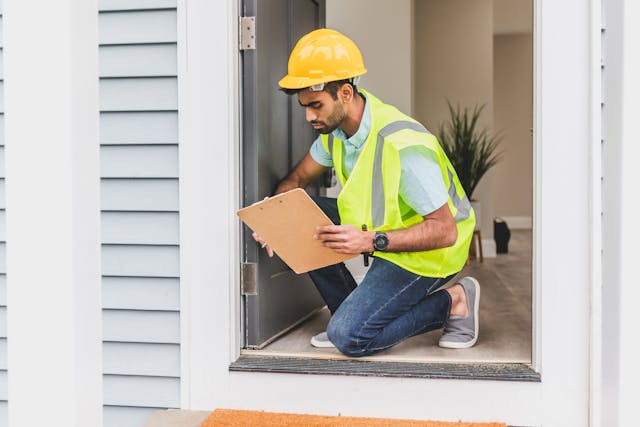
Why Home Inspections Matter
Home inspections are not just a formality; they are an opportunity for buyers to uncover any hidden problems before finalizing the purchase. An inspection can identify major issues such as structural damage, plumbing problems, electrical malfunctions, or roofing concerns. By knowing the condition of the property, buyers can make informed decisions, negotiate repairs or price adjustments, and avoid unexpected expenses down the line.
Moreover, a home inspection can also provide peace of mind. When you know the condition of the home you’re about to purchase, you can feel more confident in your investment. This is particularly important for first-time buyers who may not be familiar with what to look for in a home. A thorough inspection can prevent buyer's remorse and ensure that you are making a sound decision.
What to Expect During the Inspection
Hiring a Qualified Inspector: The first step in the inspection process is selecting a qualified home inspector. Look for someone with certifications, positive reviews, and extensive experience. A good inspector will not only check the home’s major systems but will also provide a thorough written report detailing their findings. You can ask your real estate agent for recommendations, as they often have a list of trusted inspectors.
The Inspection Day: On the day of the inspection, it's beneficial for buyers to be present. This allows you to ask questions and understand the inspector's observations in real-time. Most inspections take two to three hours, depending on the size of the home. Being there gives you the chance to see the inspector’s work firsthand, and you can learn a lot about the property’s systems and features.
Key Areas of Focus: During the inspection, several critical areas will be evaluated:
It’s important to note that not every issue found during an inspection should be a dealbreaker. Some problems may be minor and easily fixable, while others may indicate deeper, more serious issues that require further investigation. Work closely with your real estate agent to interpret the report and prioritize which concerns to address.
Making Informed Decisions
Once you have the inspection report, it’s time to evaluate your options. If significant issues are discovered, you may want to negotiate repairs or ask for a price reduction to account for the costs you’ll incur. Alternatively, if the problems are minor, you can proceed with confidence, knowing what to expect as a homeowner.
As you go through this process, it’s essential to keep an open line of communication with your agent. They can help you understand your options and guide you through negotiations with the seller. At Bell Tower Real Estate Team, we’re here to support you through every step of the home-buying process, including the inspection.
Your Partner in the Home-Buying Journey
Navigating the home inspection process may seem overwhelming, but it is a crucial step in securing a sound investment. At Bell Tower Real Estate Team, we are committed to ensuring you have all the information you need to make the best decision for you and your family.
If you’re ready to start your home-buying journey or have questions about the inspection process, don’t hesitate to reach out. Our experienced team is here to guide you. Contact us at 757-367-8618 for personalized assistance and expert advice. Let’s find the perfect home for you—one that you can feel confident about!
As the chill of winter fades away, the real estate market in Hampton Roads starts to heat up. March marks the beginning of the spring home-buying and selling season, making it one of the best times
Selling a home during the winter comes with its own set of challenges, but it also offers some great opportunities. With fewer homes on the market, there’s less competition, and buyers tend to
Cooler months are approaching fast, and as temperatures drop, heating costs tend to rise. But with a few strategic DIY projects, you can keep your home warmer and more energy-efficient without
Buying a home is one of the most significant investments you will ever make, and the home inspection process plays a crucial role in that decision. A home inspection provides a detailed assessment
Should you require assistance in navigating our website or searching for real estate, please contact our offices at 757-777-9907.

 Copyright© 2026 REIN Inc. Information Deemed Reliable But Not Guaranteed. The listings data displayed on this medium comes in part from the Real Estate Information Network Inc.(REIN) and has been authorized by participating listing Broker Members of REIN for display. REIN's listings are based upon Data submitted by its Broker Members, and REIN therefore makes no representation or warranty regarding the accuracy of the Data. All users of REIN's listings database should confirm the accuracy of
the listing information directly with the listing agent. Copyright ©2026 REIN. REIN's listings Data and information is protected under federal copyright laws.Federal law prohibits, among other acts, the unauthorized copying or alteration of, or preparation of derivative works from, all or any part of copyrighted materials, including certain compilations of Data and information. COPYRIGHT VIOLATORS MAY BE SUBJECT TO SEVERE FINES AND PENALTIES
UNDER FEDERAL LAW.
REIN updates its listings on a daily basis. Data last updated: September 7, 2026 2:41 AM UTC
Show More...
Copyright© 2026 REIN Inc. Information Deemed Reliable But Not Guaranteed. The listings data displayed on this medium comes in part from the Real Estate Information Network Inc.(REIN) and has been authorized by participating listing Broker Members of REIN for display. REIN's listings are based upon Data submitted by its Broker Members, and REIN therefore makes no representation or warranty regarding the accuracy of the Data. All users of REIN's listings database should confirm the accuracy of
the listing information directly with the listing agent. Copyright ©2026 REIN. REIN's listings Data and information is protected under federal copyright laws.Federal law prohibits, among other acts, the unauthorized copying or alteration of, or preparation of derivative works from, all or any part of copyrighted materials, including certain compilations of Data and information. COPYRIGHT VIOLATORS MAY BE SUBJECT TO SEVERE FINES AND PENALTIES
UNDER FEDERAL LAW.
REIN updates its listings on a daily basis. Data last updated: September 7, 2026 2:41 AM UTC
Show More...
